


What should Middle East logistics sales teams do right now?
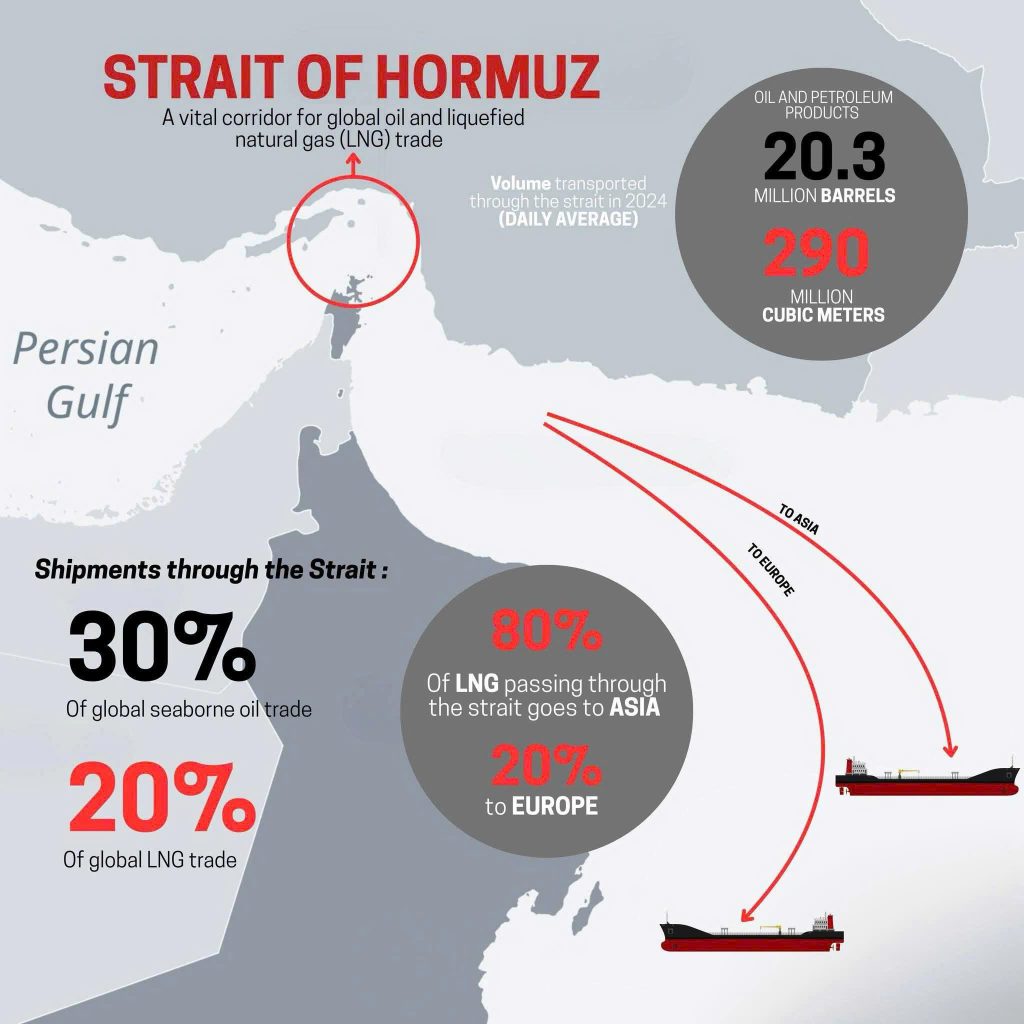
Tension between Iran, Israel and the United States has tightened regional airspace, forcing many flights to re-route or cancel. For Middle East logistics lanes, this is no longer a news headline only — it is a live service and sales challenge.
If you own this lane, do these things NOW:
- Reconfirm capacity daily with carriers and co-loaders; do not rely on last week’s schedule.
- Update customers proactively on ETA risk, possible re-routes and surcharge changes before they ask.
- Prepare Plan B routings via alternative hubs/gateways when primary connections are unstable.
- Prioritize cargo by urgency — separate time-critical air freight from flexible ocean or multimodal options.
- Review quotes and validity so rates remain realistic against war-risk and contingency fees.
- Align ops and sales on what can still be committed, and what must be offered as “subject to carrier acceptance”.
When hubs congest, delays cascade
Once a major hub is congested, missed connections create knock-on delays across the network. Sales teams that communicate early, rebook quickly and set clear expectations protect customer trust — and keep revenue on the lane instead of losing it to competitors who react faster.
Hoang Khang’s team is ready to support routing advice and booking alternatives for Middle East-related shipments during this period.